PLEET PFP
Implement paperless production
✅ Digitize quality assurance
✅ Get documentation and traceability under control
✅ Save time in everyday life
PLEET PFP – Paperless production and digital quality assurance
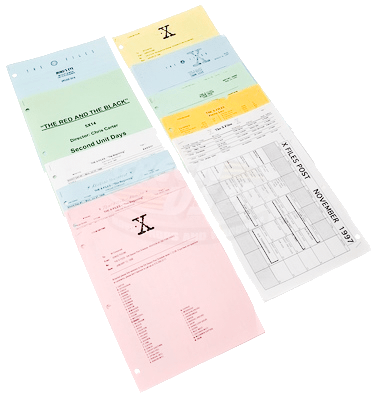
Most productions still rely on paper. Slips of paper, forms and manual notes that create unnecessary hassle.
With PLEET PFP, you get a solution that implements paperless production, digitizes quality assurance and saves time in everyday work.
Gather everything in one place – without paper
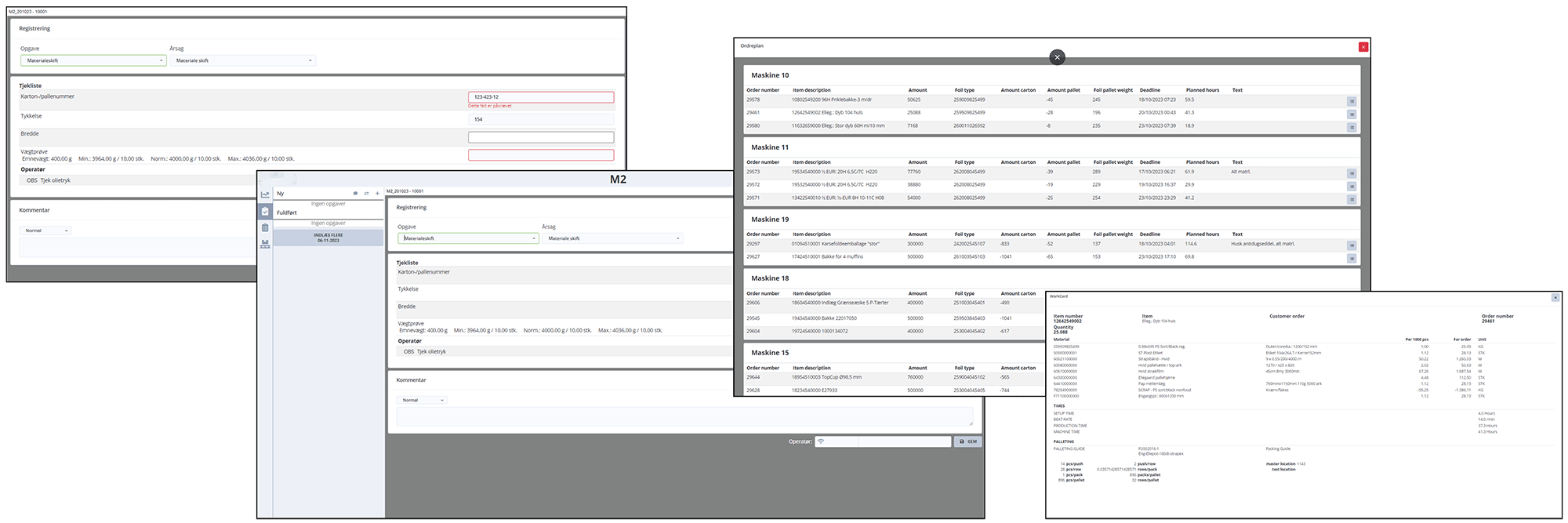
PLEET PFP gathers all your quality forms, work orders and documentation in one digital system. You get rid of loose papers in production and instead get a structured and accessible overview.
What it means:
- No manual paper aisles
- No lost documents
- Quick access to all relevant data
Digitize quality assurance
With PLEET PFP, quality assurance becomes an integral part of production – not an administrative burden. At the same time, you replace manual paper processes with a digital and automated solution that saves time and reduces errors.
No more loose papers in production. With PLEET’s paperless production (PFP), all quality assurance is handled digitally, eliminating printing, manual handling and the risk of missing documentation.
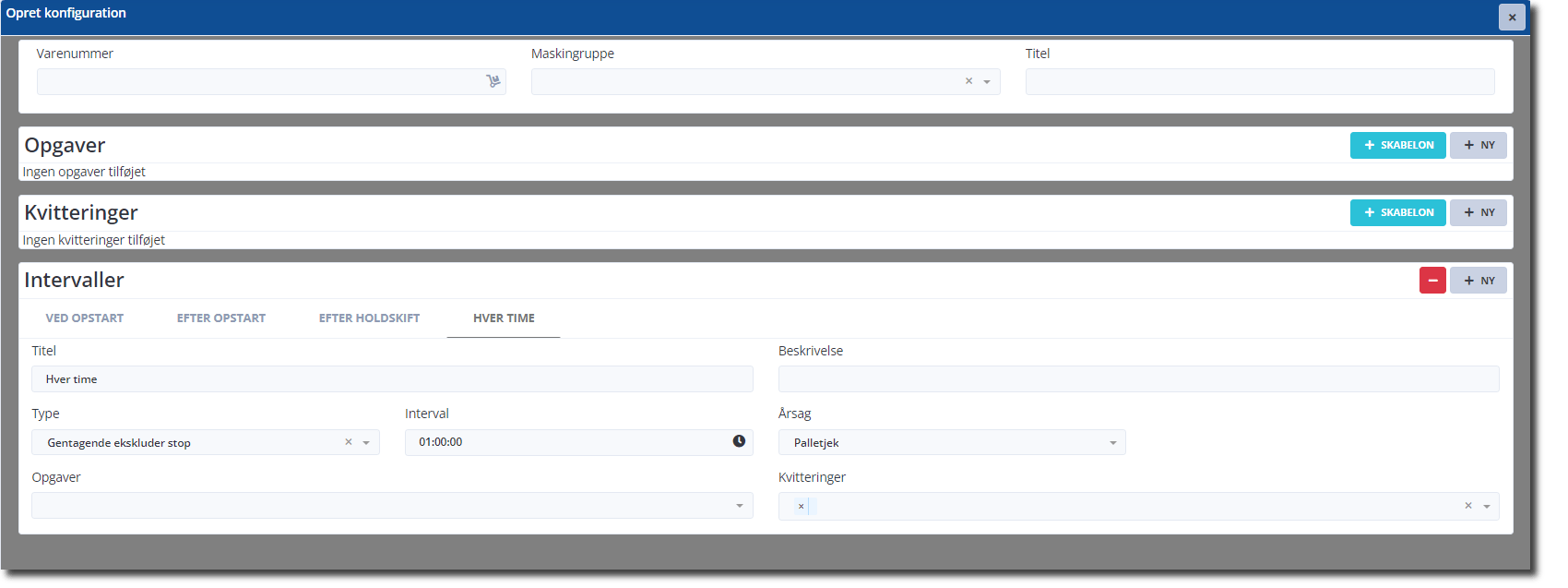
You can easily build and customize your own quality templates in an electronic format to suit your processes. Templates can be created from scratch or built on existing templates so you can quickly adapt to new requirements and changes.
You can:
– Create digital test and quality forms
– Add guides, drawings and manuals directly in the system
– Adapt forms according to new requirements
– Set intervals for completing forms
– Set up requirements for approval or extra receipt
Automating your paperwork process directly reduces manual handling and ensures that quality assurance is done correctly – every time.
Save time in everyday life
Paper takes time. Digitization saves it.
With PLEET PFP, information is instantly available to all relevant employees. It eliminates the need for manual handling, archiving and searching.
The result:
- Faster workflows
- Fewer errors and misunderstandings
- More efficient production
Flexible system adapted to your production
PLEET PFP is designed to fit the reality of the floor.
You can do it yourself:
- Determine how often a form should be filled out
- What circumstances should trigger a schedule, such as order start, number of items, etc.
- Require approval or additional receipt
- Reuse existing forms as templates
This makes it easy to adapt the system to both simple and complex production environments.
Automate the paper flow in production
When paperwork goes digital, it also becomes automated.
PLEET PFP reduces manual handling and ensures that documentation is always correct and up-to-date. This frees up time and resources that can instead be spent on production and value creation.
More overview, better collaboration and stronger data foundation
With PLEET PFP, all relevant employees have access to the same updated data in real time. This creates better collaboration across production and administration and reduces the risk of errors and misunderstandings.
When quality assurance is digital, data is also much easier to analyze. You can identify patterns, optimize processes and make decisions based on facts – not gut feelings.
There’s money to save – and CO2 to reduce
Digital quality assurance means less paper consumption, fewer manual workflows and more efficient operations. It reduces costs and environmental impact, while strengthening documentation and traceability in production.
5 benefits of going paperless
Click on the arrows to unfold the explanations.
There is money to be saved
PLEET PFP module also enables more seamless communication and collaboration across departments. Everyone involved can easily access the necessary data and updates in real-time, promoting a more flexible and efficient workflow. This leads to reduced risk of misunderstandings and errors as everyone is working from the same up-to-date information.
The PLEET PFP module also improves data collection and analysis. When it’s all digital, it’s far easier to analyze to identify patterns, optimize processes and predict needs. This allows businesses to make informed decisions that can increase production quality and reduce waste.
Finally, the PLEET PFP module contributes to more sustainable production. Paper consumption is significantly reduced, lowering environmental impact and saving natural resources. In addition, digital processes can reduce the need for physical transportation of documents, further reducing a company’s carbon footprint.
Better data collection and analysis
By using digital tools, data can be collected and analyzed in real-time, allowing for better and more accurate monitoring of the production process. It helps identify inefficient processes and areas for improvement.
Reduction of costs
Paperless production can help reduce costs by eliminating the need for paper and other materials such as printer ink and toner. It can also reduce the cost of storing and archiving paper documents.
Better traceability and documentation
Digital documentation provides better traceability of the production process and contributes to more accurate documentation of production data. It also helps to ensure compliance with various standards and requirements that your business may be subject to.
Faster communication and decision-making
Digital tools and systems help reduce communication and decision-making delays as it’s easier to share and transfer information electronically. This leads to faster response times and increased efficiency.
Automate your paperwork
Automating your paperwork in production will give you significant direct savings on manual handling of documents.
No more loose papers in production. With
PFP module
it’s all digitized.
With PFP, you build your forms in an electronic format, eliminating the need to print physical forms.
Quality scheme that easily adapts to new requirements and wishes
With our unique solution in PFP, you can quickly and easily build new forms by either reusing an existing form as a template or creating a new one.
You can decide at what interval a form should be completed and whether it should be signed by an additional employee.
Do you have any questions? – Contact us today

